
IN VITRO FERTILIZATION
IVFIn vitro fertilization (IVF) is an advanced, step-by-step process to help individuals and couples conceive a child.
IVF
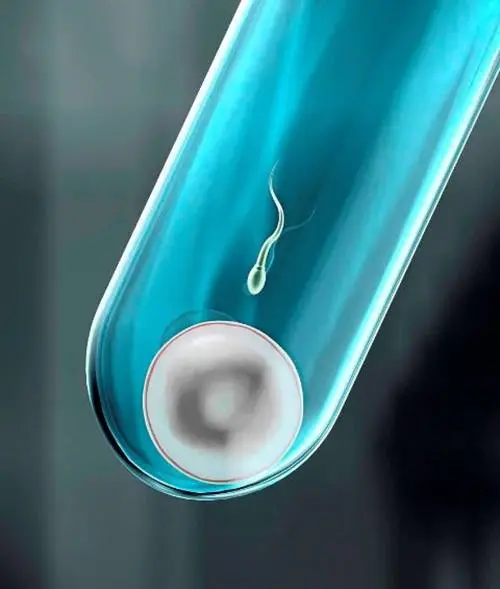
IVF is a careful and methodical treatment option where we fertilize eggs with sperm in the laboratory. The eggs then develop into an embryo. Following optional testing, we transfer the embryo into the uterus with the hope of a successful pregnancy.
The process includes:
- Ovarian Stimulation
- Follicle Monitoring
- Egg Retrieval
- Sperm Collection and Analysis
- Fertilization
- Embryo Growth and Testing
- Mature Embryo Transfer
- Follow-Up Testing
Each step involves careful monitoring by our highly-trained fertility specialists for personalized care that increases the chances of a successful pregnancy.
OUR DIFFERENCE
WHY IFC?
WORLD-RENOWNED EXPERTS
ONSITE LABORATORY SERVICES
Incinta's unique, open-concept laboratory utilizes smart glass technology so patients can watch their future unfold right in front of them.
UNEQUALED TECHNOLGY
Our incredible experts utilize best-in-class technology and equipment to achieve the best possible outcomes.
FREQUENTLY ASKED QUESTIONS
FAQs
What is In vitro Fertilization (IVF)?
In vitro fertilization (IVF) is a comprehensive process where retrieved eggs are fertilized with sperm in a laboratory, develop, and the resulting embryo is surgically placed in a woman’s uterus.
IVF is a common fertility treatment that’s helped millions of people around the world become parents.
When does the egg transfer take place?
After egg retrieval, they are fertilized in the lab. Transfer timing can vary, but with a “fresh transfer,” the fertilized eggs (embryos) develop, and are then transferred between three to six days following egg retrieval.
Another transfer option is to freeze the developed embryo for a transfer in weeks, months, or even years in the future.
What if I don't get any embryos from an IVF cycle?
There is always a risk that there are no resulting embryos from an IVF cycle. However, there are ways to address this challenge. While additional steps may be needed, you can trust Incinta’s highly-skilled fertility doctors, embryologists, nurses, and lab technicians to optimize your chances of success.
What if my eggs don’t fertilize?
If your eggs fail to fertilize during the IVF process, there are ways to address this challenge. While additional steps may be needed, you can trust Incinta’s highly-skilled fertility doctors, embryologists, nurses, and lab technicians to help you through any and all available options.
Do I need intracytoplasmic sperm injection (ICSI)?
Male fertility also plays a role in a successful pregnancy. If a man has a low sperm count, motility issues, or has abnormal sperm morphology, Intracytoplasmic sperm injection (ICSI) is an option.
Using a microscope, a skilled embryologist selects a single healthy sperm based on its health and motility. The sperm is then microinjected into the cytoplasm of a mature egg, hopefully leading to fertilization.
How long is an IVF cycle?
It’s critical to understand that every patient is different and personal circumstances and health play a role in any IVF cycle. On average, a typical IVF cycle takes approximately two to three months.
OUR VISION
What You Are Seeking
Will Also Seek You
Science * ART * Life
INCINTA FERTILITY CENTER


